| Special Session Ⅰ - Mechatronics (Instrumentation and Control) | |||
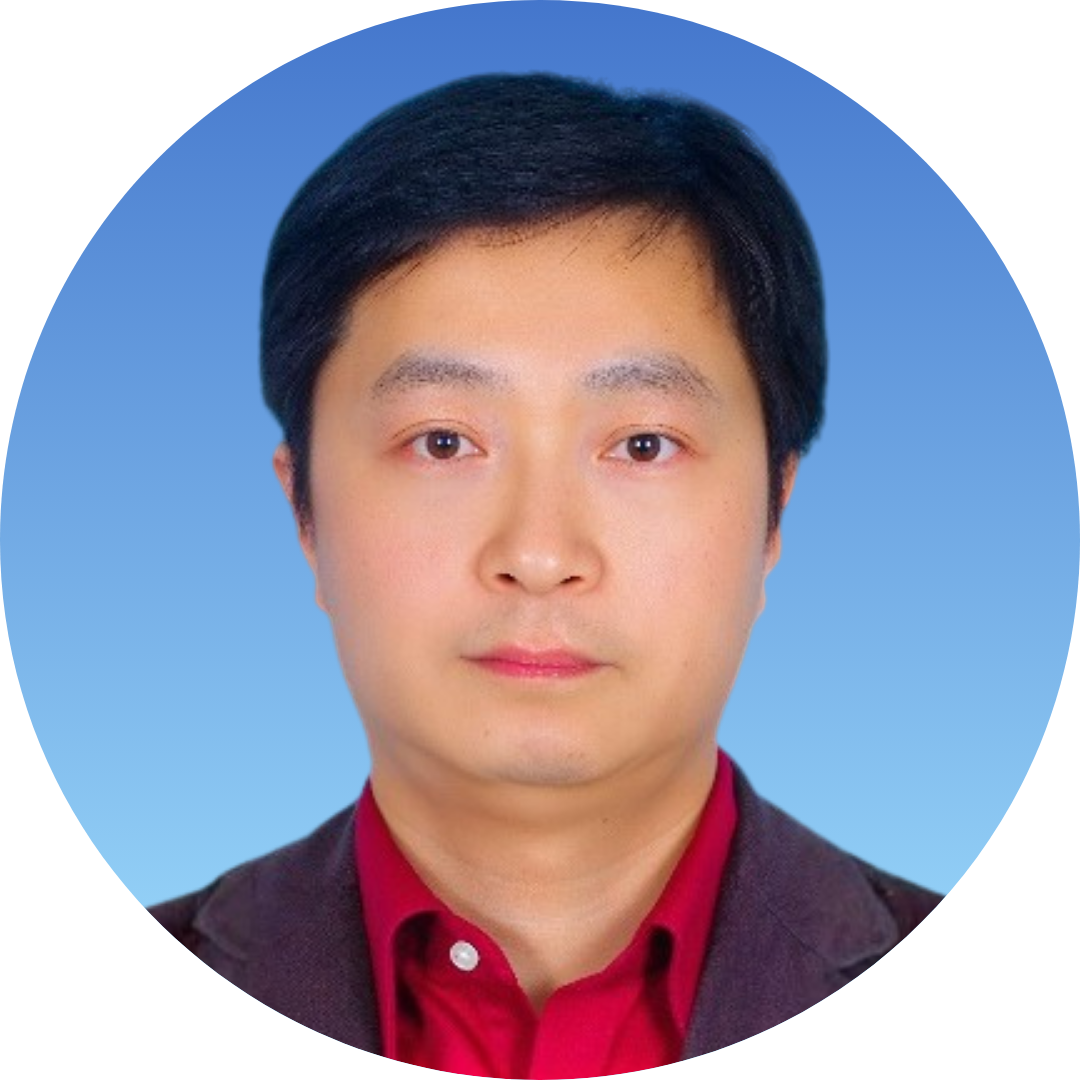
| Chair: | Co-Chair: | ||
 |
 |
||
|
Chunhua Song Xihua University, China |
Gong Zhang Guangdong Polytechnic Normal University, China |
||
| Session Information: | |||
| Research on the combination of image recognition and control in related fields such as automobiles. | |||
| Below is an incomplete list of potential topics to be covered in the Track: | |||
|
|||
| Keywords: | |||
|
|||
| Special Session Ⅱ - New Energy Heavy-duty Vehicle | |||
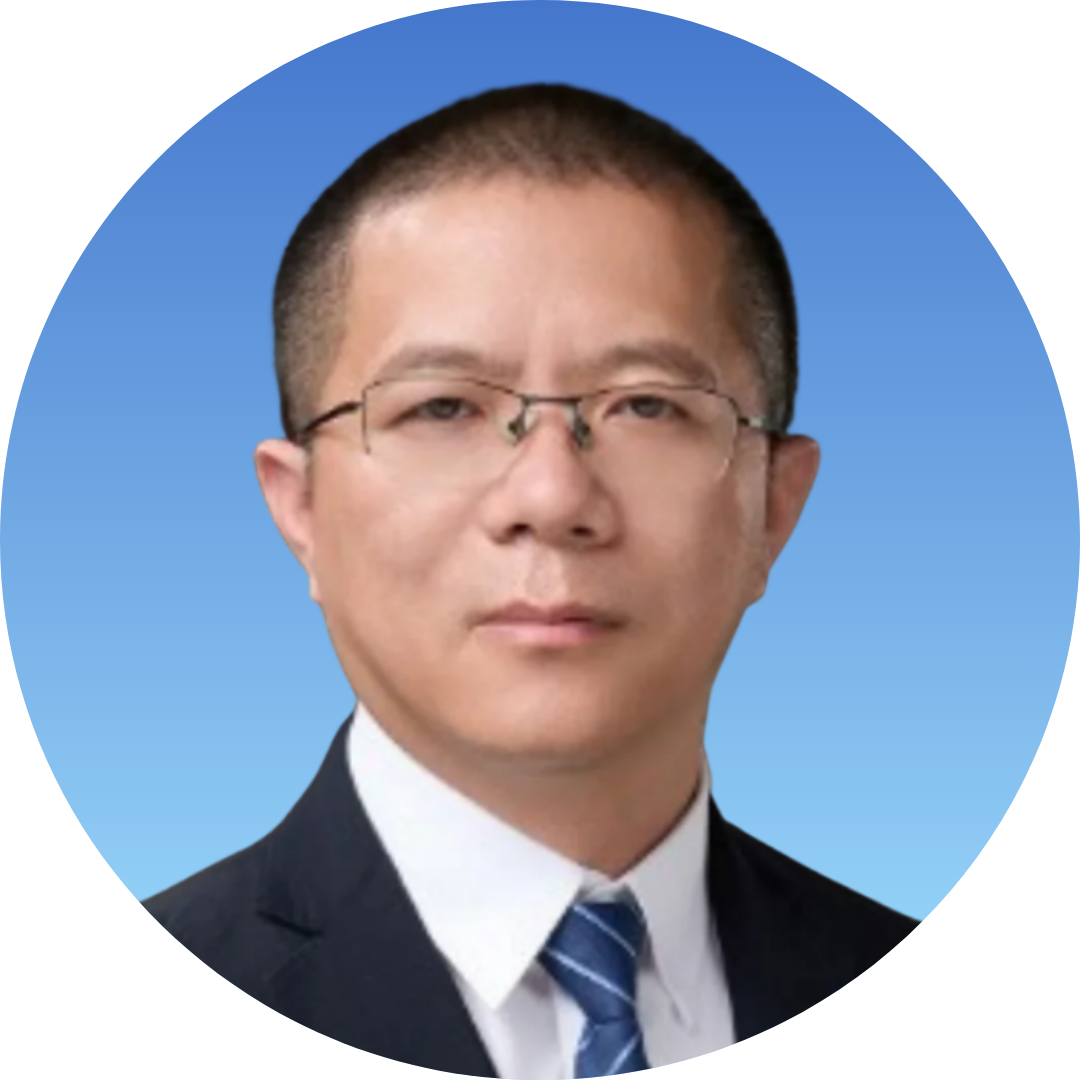
| Chair: | Co-Chair: | ||
 |
 |
||
|
Min Ye Chang’an University, China
|
Tianliang Lin Huaqiao University, China
|
||
| Session Information: | |||
| Driven by China's “dual-carbon” goals and the dual-circulation new development paradigm, the electrification of construction machinery has emerged as a critical breakthrough for industrial upgrading and sustainable development. This session explores the critical challenges in electrifying different types of equipment. | |||
| Below is an incomplete list of potential topics to be covered in the Track: | |||
|
|||
| Keywords: | |||
|
|||
| Special Session Ⅲ - Intelligent Energy Management of Electric Vehicles and Vehicle Road Collaborative Energy-Saving Optimization | |||
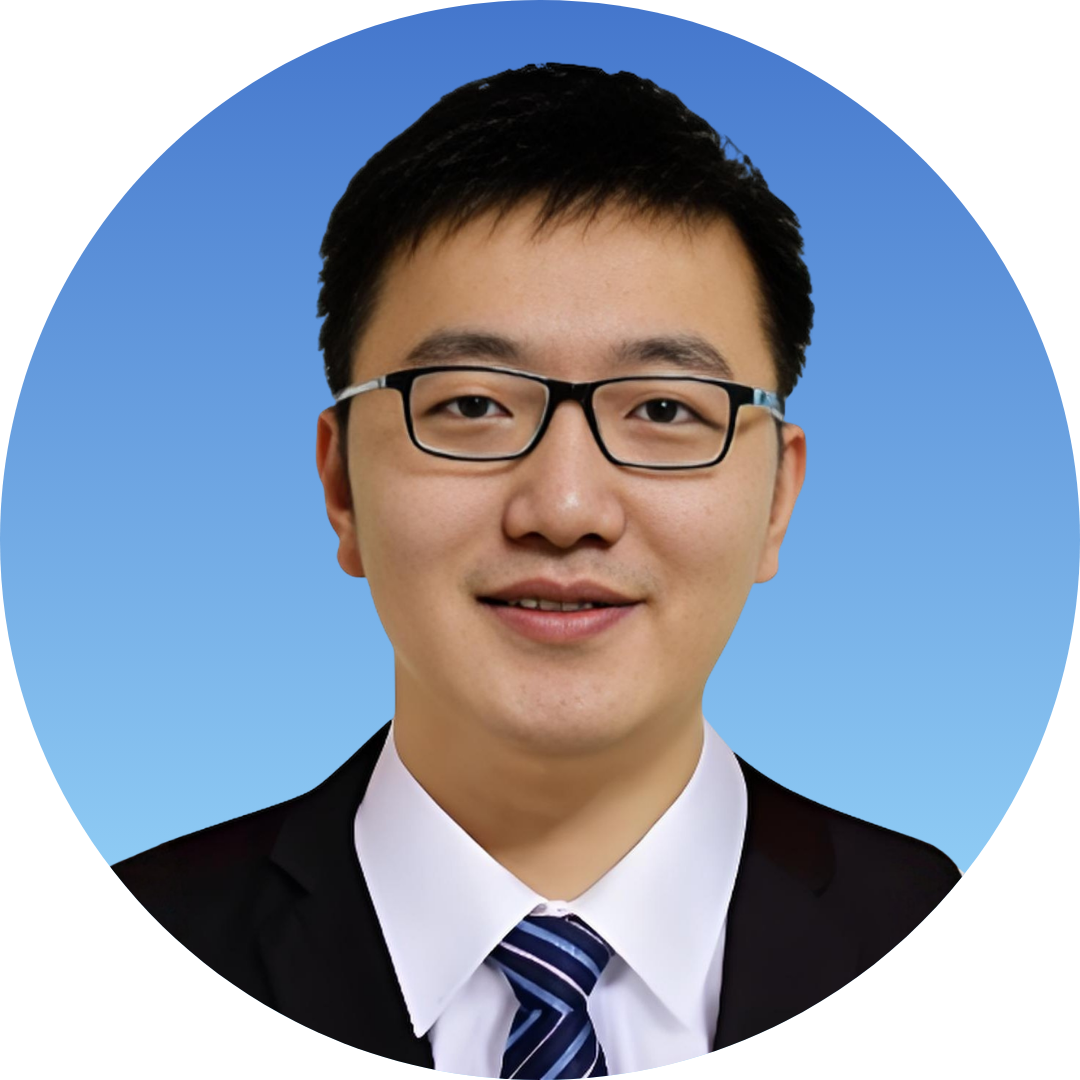
| Chair: | Co-Chair: | ||
 |
 |
||
|
Menglin Li Yanshan University, China |
Yao Sun Jilin University, China |
||
| Session Information: | |||
| Driven by China’s “dual-carbon” goals and the rapid development of intelligent connected transportation, intelligent energy management and vehicle‑road cooperative eco‑driving have emerged as critical breakthroughs for improving the energy efficiency of new energy vehicles. This session explores the key challenges in integrating eco‑driving, energy management strategies, and vehicle‑road coordination to achieve holistic energy‑saving optimization for electric vehicles. | |||
| Below is an incomplete list of potential topics to be covered in the Track | |||
|
|||
| Keywords: | |||
|
|||
| Special Session Ⅳ - Advanced Chassis and Motion Control for Intelligent Vehicles | |||
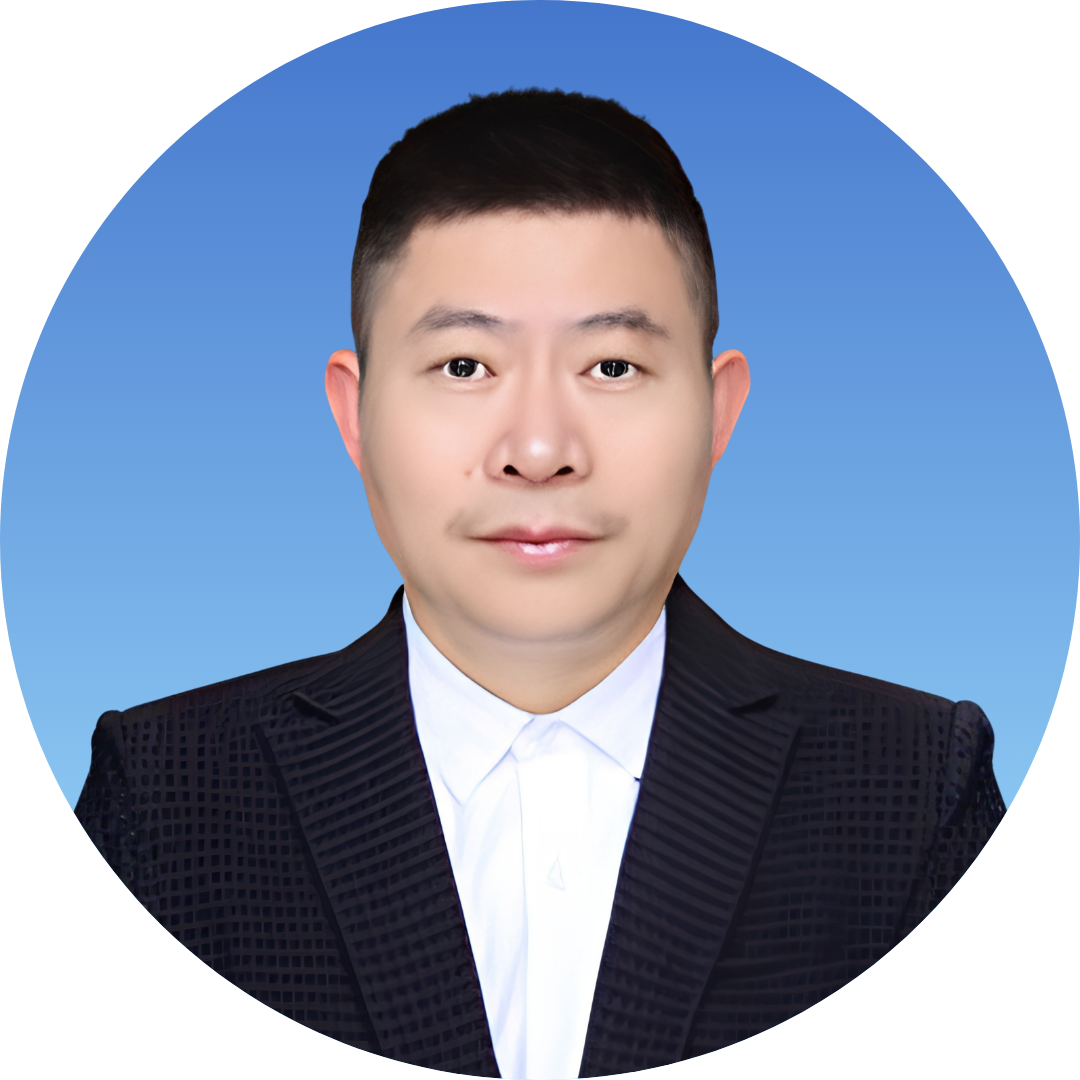
| Chair: | Co-Chairs: | ||
 |
 |
 |
 |
|
Yunfei Zha Fujian University of Technology, China |
Chen Tang Tongji University, China |
Yong Zhang
Huaqiao University, China |
Xiongshi Wang
Shenzhen Technology University, China |
| Session Information: | |||
| This special session focuses on frontier issues in advanced chassis and motion control for intelligent vehicles, including vehicle dynamics modeling, state estimation, trajectory tracking, lateral stability control, coordinated chassis control, and by-wire chassis technologies. Contributions on distributed drive, torque allocation, robust control, predictive control, adaptive control, learning-based control, and engineering applications are particularly welcome to promote the integration of intelligent chassis technologies and automated driving systems. |
|||
| Below is an incomplete list of potential topics to be covered in the Track | |||
|
|||
| Keywords: | |||
|
|||
| Special Session Ⅴ- AI-Driven Autonomous Mobility and Intelligent Connectivity for Electric Vehicles | |||
| Chair: | Co-Chair: | ||
 |
 |
||
|
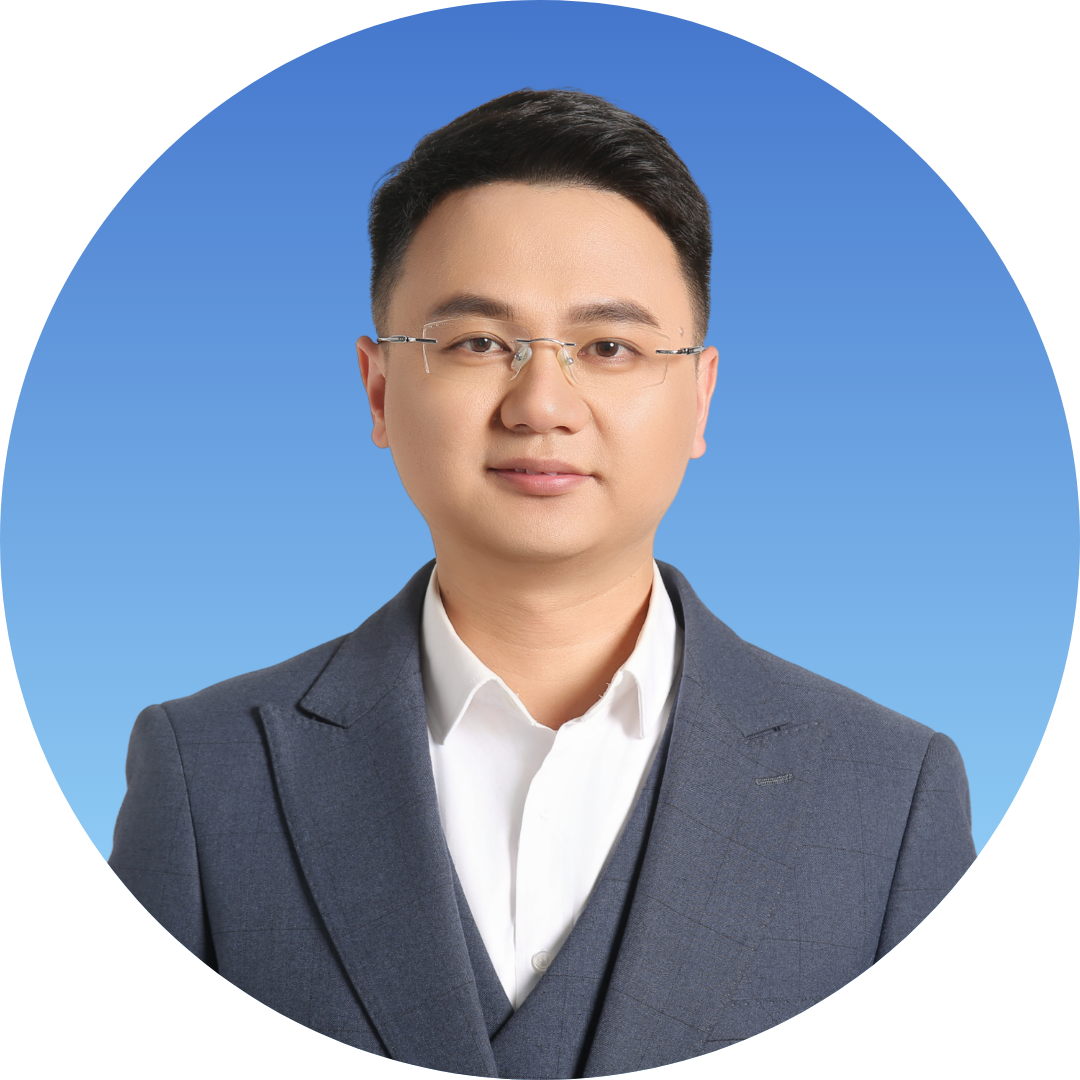
Jiyong Gao Fuyao University of Science and Technology, China |
Bin Huang Wuhan University of Technology, China |
||
| Session Information: | |||
| This special session focuses on the development and application of AI-driven autonomous mobility and intelligent connectivity technologies for electric vehicles. The session will cover emerging topics including AI algorithms, autonomous driving systems, intelligent connected vehicles, vehicle-road collaboration, in-vehicle wireless communication, and intelligent transportation systems. With the rapid integration of electrification and artificial intelligence, electric vehicles are evolving toward higher levels of autonomous driving, intelligent decision-making, and smart mobility ecosystems. The session aims to provide an international platform for researchers, engineers, and industry experts from academia and industry to exchange ideas and discuss key challenges, enabling technologies, engineering practices, and industrial applications related to AI-powered intelligent vehicles. It also seeks to promote the innovation and deployment of next-generation electric vehicles and intelligent transportation systems. |
|||
| Below is an incomplete list of potential topics to be covered in the Track | |||
|
|||
| Keywords: | |||
|
|||
| Special Session Ⅵ - Intelligent Modeling and Management Technologies for Electrochemical Power Source Systems of New Energy Vehicles | |||
| Chair: | Co-Chairs: | ||
 |
 |
 |
|
|
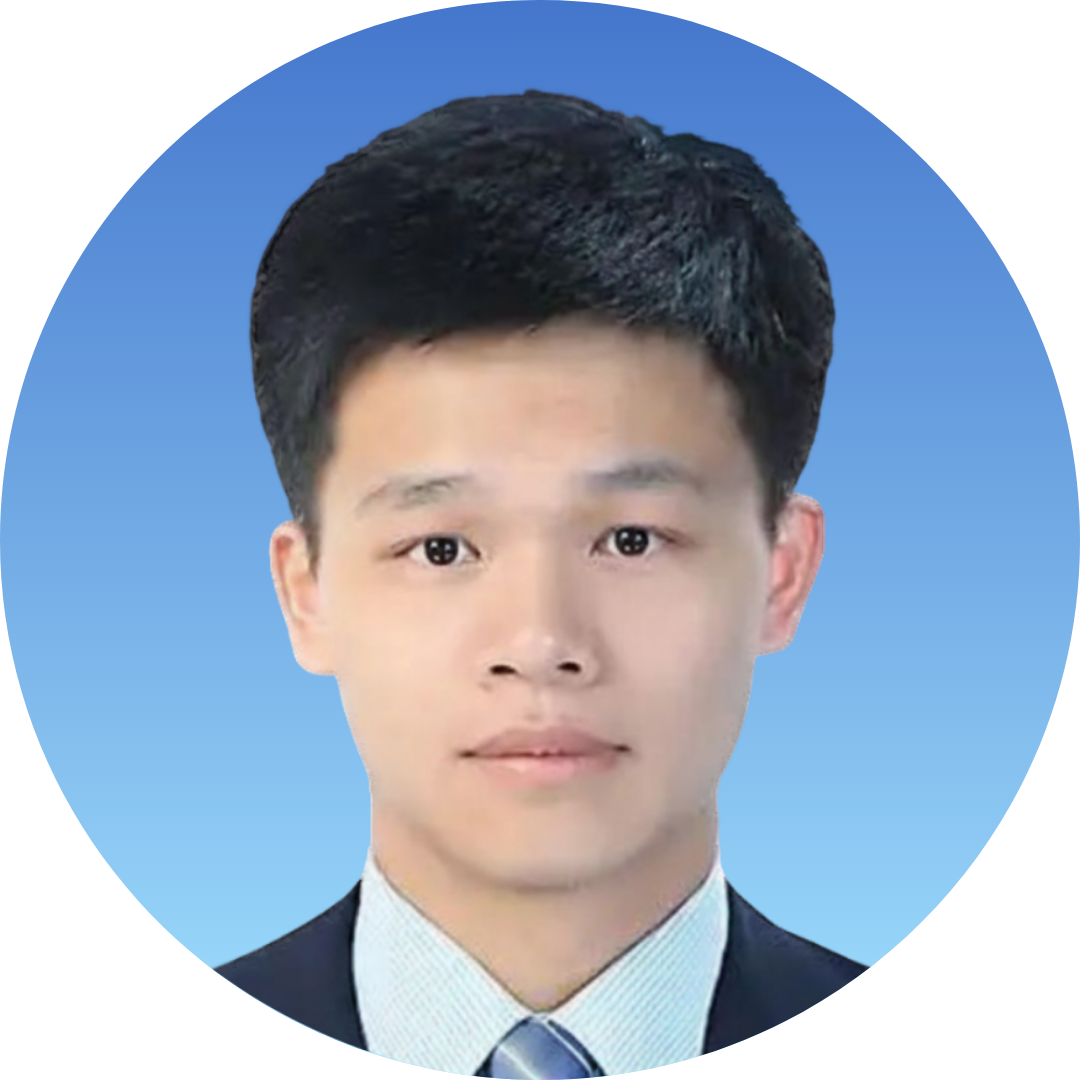
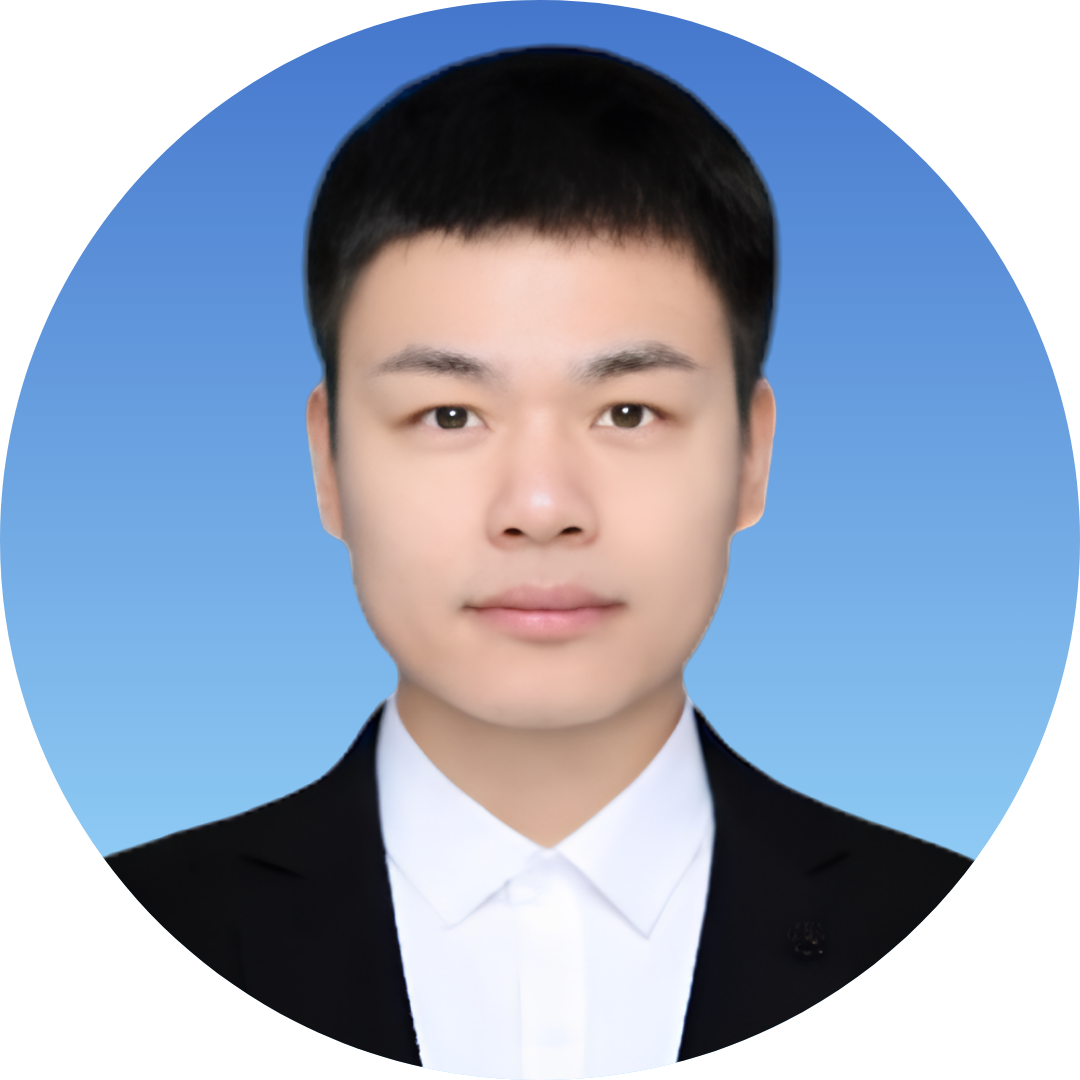
Bo Jiang Tongji University, China |
Kai Ou Fuzhou University, China |
Hao Yuan Tongji University, China |
|
| Session Information: | |||
| Electrochemical power sources for new energy vehicles, including lithium-ion batteries, sodium-ion batteries, fuel cells, and their hybrid systems, are of great significance to the sustainable development of transportation electrification. Advanced management technologies can enhance the operational stability and safety of such power source systems. To promote the in-depth integration of electrochemical power sources and artificial intelligence, and support the green development of transportation equipment, this special session will focus on exploring the applications of artificial intelligence in the fields of adaptive modeling, fault diagnosis, and intelligent control of electrochemical power sources, and facilitate the in-depth integration of intelligent management technologies with practical vehicular application scenarios. |
|||
| Below is an incomplete list of potential topics to be covered in the Track | |||
|
|||
| Keywords: | |||
|
|||
| Special Session Ⅶ - Modeling and Optimal Control for Vehicle Energy and Powertrain Systems | |||
| Chair: | Co-Chair: | ||
 |
 |
||
|
Yunlong Wang Northeastern University, China |
Yan Liu Liaoning University of Technology, China |
||
| Session Information: | |||
| With the ongoing electrification and intelligence trends in transportation, high-fidelity modeling and advanced optimal control of vehicle energy and powertrain systems have become essential for improving energy efficiency, extending component lifetime, and ensuring safe operation. This special session aims to bring together researchers and engineers to discuss state-of-the-art methods in physics-based and data-driven modeling, real-time state estimation, model predictive control, reinforcement learning, and integrated energy management of electrified vehicle powertrains and energy storage systems. Particular attention is given to the synergy between advanced algorithms and practical vehicle implementations under the carbon neutrality target. |
|||
| Below is an incomplete list of potential topics to be covered in the Track | |||
|
|||
| Keywords: | |||
|
|||
| Special Session Ⅷ- State Monitoring and System Control of On-Board Traction Batteries | |||
| Chair: | Co-Chairs: | ||
 |
 |
 |
|
|
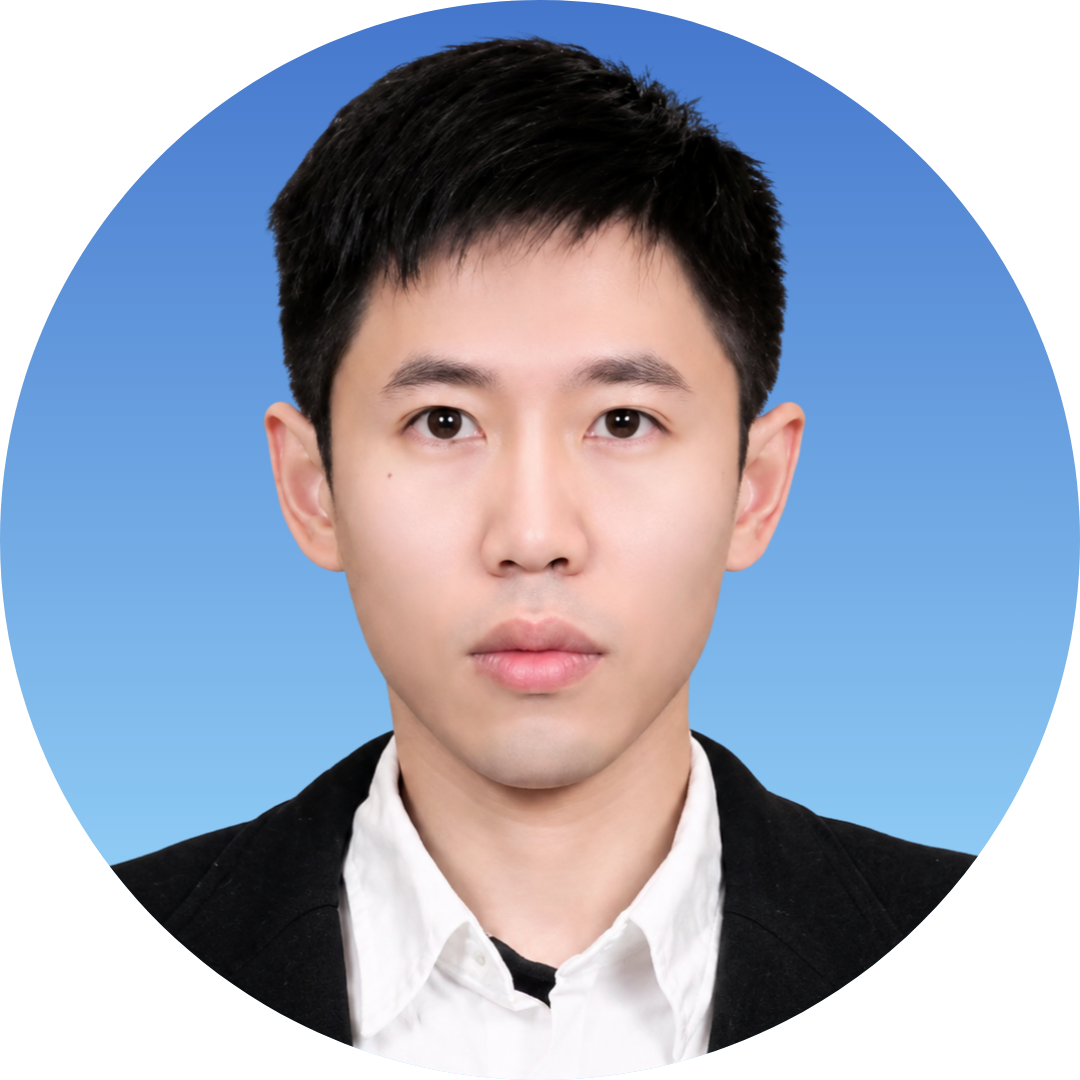
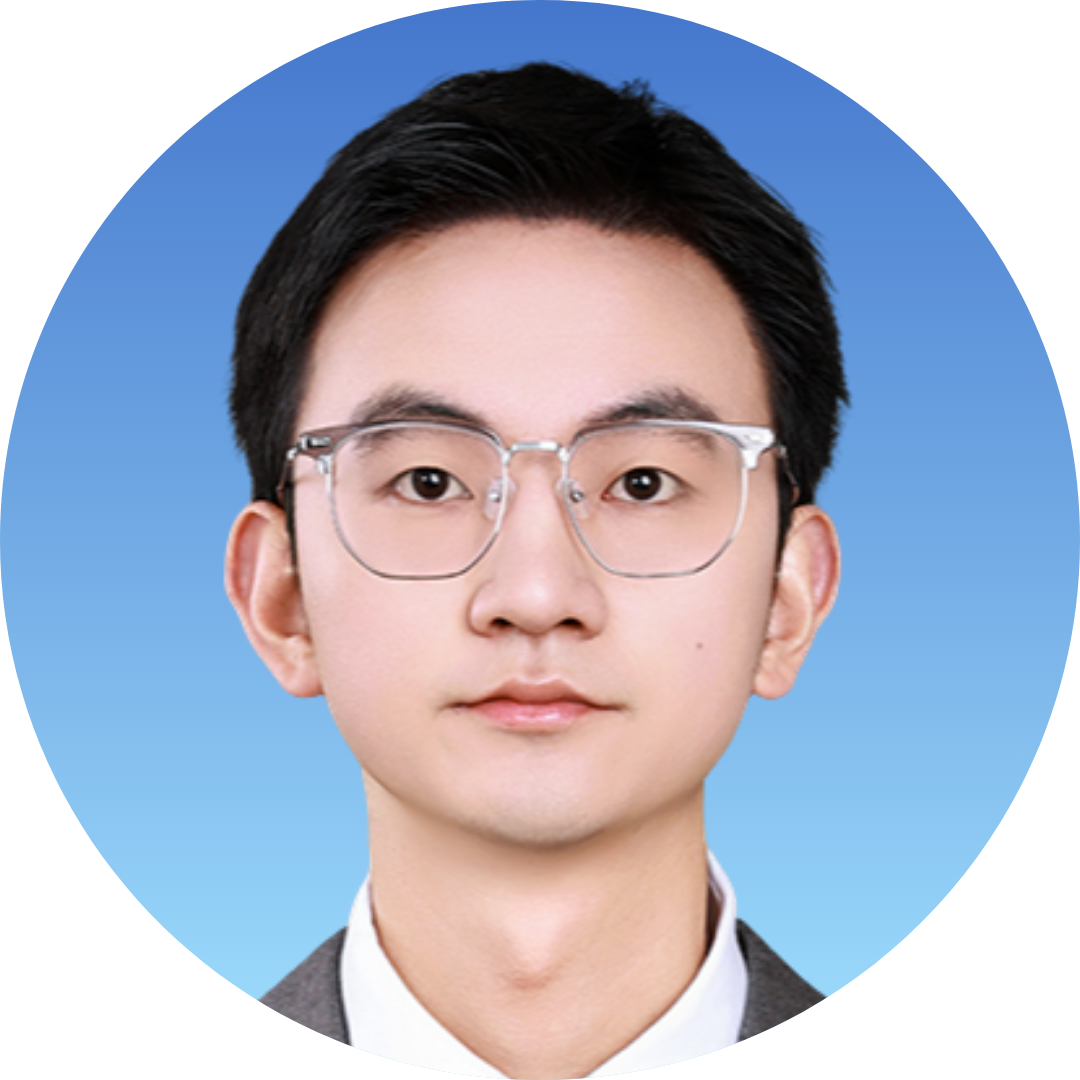
Jun Xu Xi'an Jiaotong University, China |
Zhechen Guo Xi'an Jiaotong University, China |
Chuanping Lin Xi'an Jiaotong University, China |
|
| Session Information: | |||
| With the accelerating development of the electric vehicle industry, the on-board traction battery, as the core energy source of the vehicle, directly determines the reliability and market competitiveness of the vehicle through its safety, durability, and performance. Accurate state monitoring and efficient system control strategies have become core issues of common concern to both academia and industry. This special session focuses on the state monitoring and system control of on-board traction batteries. We welcome submissions covering model-driven and data-driven state estimation methods, advanced battery management system (BMS) architecture design, thermal runaway early warning and safety control, intelligent charging and discharging strategies, battery lifetime prediction and health management. We particularly encourage interdisciplinary research that integrates electrochemical modeling, control theory, machine learning, and vehicle system integration, to advance both theoretical innovation and engineering implementation in this field. |
|||
| Below is an incomplete list of potential topics to be covered in the Track | |||
|
|||
| Keywords: | |||
|
|||
| Special Session Ⅸ- Battery Materials and Devices | |||
| Chair: | |||
 |
|||
|
Huarong Xia Fuzhou University, China |
|
|
|
| Session Information: | |||
| The performance of battery materials and devices fundamentally determines the upper limit of power battery performance, profoundly influencing the driving range, charging speed, service life, and safety of electric vehicles. Starting from the fundamental issues of battery materials and devices, this special topic focuses on the latest research advances and explores the potential development opportunities for the electrification of automobiles. |
|||
| Below is an incomplete list of potential topics to be covered in the Track | |||
|
|||
| Keywords: | |||
|
|||
| Special Session Ⅹ- Advanced Power Electronics and Intelligent Energy Management for Next-Generation Electric Vehicles | |||
| Chair: | Co-Chairs: | ||
 |
 |
 |
|
|
Liping Mo Hefei University of Technology, China |
Chunchun Jia The Hong Kong Polytechnic University, China |
Chaoqiang Jiang City University of Hong Kong, China |
|
| Session Information: | |||
| Electric vehicles (EVs) are undergoing rapid technological transformation driven by electrification, intelligence, and connectivity. At the core of this evolution lies advanced power electronics and intelligent energy management systems that ensure safety, efficiency, reliability, and optimized performance. Next-generation EV architectures demand high-efficiency traction inverters, high-voltage DC/DC converters, bidirectional charging systems, wireless power transfer technologies, and intelligent supervisory control strategies. Meanwhile, emerging requirements such as fast charging, vehicle-to-grid (V2G) interaction, autonomous driving energy optimization, and multi-objective thermal-energy coordination are pushing EV power systems toward greater integration and intelligence. This Special Issue aims to provide a comprehensive platform for cutting-edge research on advanced power electronics devices, system-level energy architectures, protection strategies, wireless charging technologies, and intelligent energy management in electric vehicles. Both theoretical advancements and practical implementations are welcome. |
|||
| Below is an incomplete list of potential topics to be covered in the Track | |||
|
|||
| Keywords: | |||
|
|||
| Special Session XI- Design, Monitoring and Control of Hydrogen Energy Vehicular Propulsion Systems: Pathways to Carbon Neutrality | |||
| Chair: | Co-Chair: | ||
 |
 |
||
|
Song Yang Jilin University, China |
Yanzhou Qin Tianjin University, China |
|
|
| Session Information: | |||
| The global transition toward carbon neutrality has placed hydrogen energy at the forefront of sustainable transportation solutions. Hydrogen-powered vehicular propulsion systems—encompassing fuel cell vehicles, hydrogen internal combustion engines, and hybrid architectures—present a promising pathway to decarbonize the mobility sector. However, the successful deployment of these systems hinges on overcoming formidable challenges in system design and integration, real-time monitoring, and intelligent control strategies. This session aims to bring together researchers, engineers, and industry practitioners to explore the latest advances in the design, monitoring, and control of hydrogen energy vehicular propulsion systems. |
|||
| Below is an incomplete list of potential topics to be covered in the Track | |||
|
|||
| Keywords: | |||
|
|||
| Special Session Ⅻ- X-by-Wire Chassis Design and Vehicle Dynamics Control for Intelligent Electric Vehicles | |||
| Chair: | Co-Chairs: | ||
 |
 |
 |
|
|
Lingtao Wei Fuzhou University, China |
Songchun Zou Fuzhou University, China |
Weihe Liang Nanjing University of Aeronautics and Astronautics, China |
|
| Session Information: | |||
| Electric vehicles are rapidly evolving toward electrification, intelligence, and connectivity. As an important foundation of vehicle actuation systems and intelligent control systems, the x-by-wire chassis is becoming a key technology for improving vehicle safety, handling stability, ride comfort, and intelligent performance. The development of technologies such as steer-by-wire, brake-by-wire, drive-by-wire, active suspension, and chassis domain controllers is transforming the vehicle chassis from a conventional mechanical transmission system into a highly integrated and coordinately controlled intelligent actuation platform. This Special Issue focuses on x-by-wire chassis design and vehicle dynamics control for intelligent electric vehicles, with particular emphasis on novel chassis configuration design, vehicle dynamics modeling and state estimation, intelligent longitudinal-lateral control, and coordinated control of multiple chassis actuators. By integrating vehicle dynamics theory, advanced control methods, and intelligent perception and decision-making technologies, this Special Issue aims to promote higher levels of stability, safety, and efficiency for intelligent electric vehicles under complex driving conditions. This Special Issue aims to provide a platform for frontier research and engineering applications in vehicle dynamics, x-by-wire chassis, intelligent control, and stability control. High-quality submissions on theoretical studies, key technological breakthroughs, system design methods, and engineering validation are welcome. |
|||
| Below is an incomplete list of potential topics to be covered in the Track | |||
|
|||
| Keywords: | |||
|
|||
| Special Session XIII- Research on Autonomous Heterogeneous Multi-Agent Cooperative Control of Vehicle-Road-Cloud Integration | |||
| Chair: | Co-Chair: | ||
 |
 |
||
|
Jixiang Wang Fuzhou University, China |
Songyue Yang Beihang University, China |
|
|
| Session Information: | |||
| Deep integration of intelligent connected vehicles, smart road infrastructure and cloud management platforms makes vehicle-road-cloud integration a core technical route for large-scale implementation of intelligent transportation in China. The system contains heterogeneous intelligent agents including autonomous vehicles, human-driven vehicles, roadside sensing units, edge computing nodes and cloud scheduling platforms. These agents differ greatly in perception, decision-making and execution capabilities, forming interactive scenarios of heterogeneous multi-agents. Traditional single-vehicle independent control cannot guarantee traffic safety and global efficiency under complex road networks. This Special Session focuses on core issues of autonomous heterogeneous multi-agent cooperative control under vehicle-road-cloud integration architecture. It pays special attention to key research directions such as spatio-temporal perception fusion of multiple heterogeneous agents, distributed cooperative decision-making, hierarchical cooperative control of human-vehicle-road-cloud, game interaction among heterogeneous agents, edge-cloud collaborative scheduling, and safety management in complex traffic scenarios. By integrating C-V2X communication, multi-agent game theory, data-driven control and distributed optimization, this session connects information interaction and cooperative execution among vehicle, road and cloud layers to realize safe, efficient and eco-friendly operation of full-domain transportation systems. This Special Session provides an academic exchange platform for frontier theories and engineering applications in vehicle-road-cloud coordination, multi-agent control and intelligent connected vehicles. High-quality submissions on theoretical modeling, algorithm innovation, system architecture design, simulation verification and real-vehicle road tests are welcome. |
|||
| Below is an incomplete list of potential topics to be covered in the Track | |||
|
|||
| Keywords: | |||
|
|||
| Special Session XIV- Spatiotemporal Intelligence, Cooperative Decision-Making, and Autonomous Control for Intelligent Connected Transportation Systems | |||
| Chair: | Co-Chairs: | ||
 |
 |
 |
|
|
Yuankai Wu Sichuan University, China |
Yong Wang The University of Hong Kong |
Renzong Lian Fuzhou University, China |
|
| Session Information: | |||
|
Intelligent connected transportation systems are entering a new stage driven by artificial intelligence, spatiotemporal data, vehicle-road-cloud integration, and autonomous decision-making. Unlike traditional vehicle electrification studies that focus primarily on power electronics and energy conversion, this topic emphasizes how intelligent algorithms, dynamic system modeling, and cooperative control can improve the safety, efficiency, robustness, and sustainability of future transportation systems. |
|||
| Below is an incomplete list of potential topics to be covered in the Track | |||
|
|||
| Keywords: | |||
|
|||
| Special Session XV- Life-cycle Management of Power Batteries | |||
| Chair: | Co-Chair: | ||
 |
 |
||
|
Siyan Chen Jilin University, China |
Xing Shu Chongqing University of Technology, China |
|
|
| Session Information: | |||
| This special session focuses on refined life-cycle management of power batteries, including fault detection, state estimation, and non-destructive fast-charging techniques integrated with Prognostics and Health Management (PHM), as well as advanced energy management strategies. In addition, we will cover pre-selection and sorting methods for batteries intended for second-life applications. We hope that this session will drive battery management systems toward higher intelligence and accuracy, ultimately improving the reliability of electric vehicle battery systems and supporting global carbon neutrality goals. |
|||
| Below is an incomplete list of potential topics to be covered in the Track | |||
|
|||
| Keywords: | |||
|
|||
| Special Session XVI- Collision Safety Protection for Electric Vehicles | |||
| Chair: | Co-Chair: | ||
 |
 |
||
|
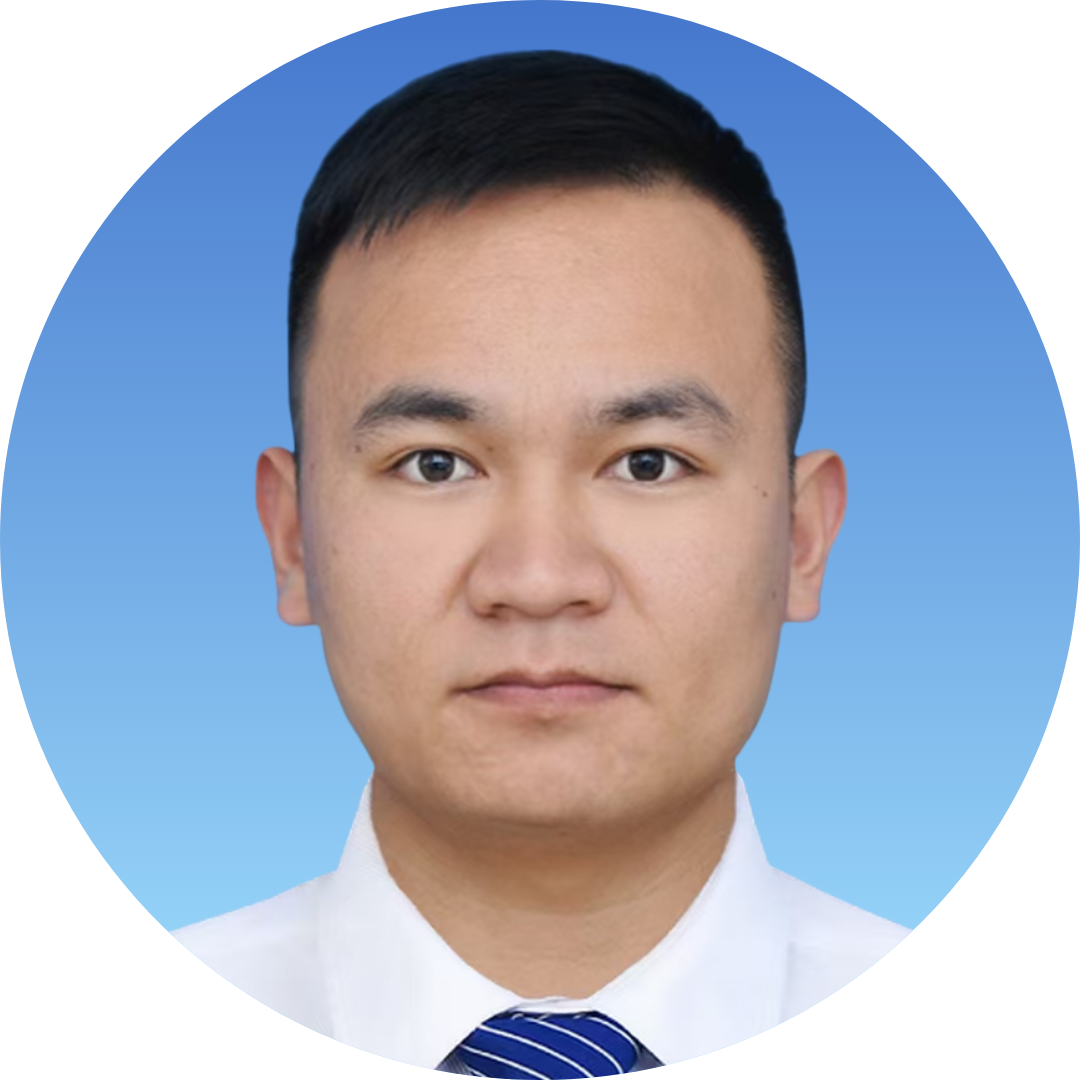
Chao Gong Hefei University of Technology, China |
Yu Liu China Automotive Engineering Research Institute, China |
|
|
| Session Information: | |||
| This sub-forum focuses on the safety challenges of electric vehicles under complex crash conditions. With the surge in electric vehicle ownership and the widespread adoption of autonomous driving technology, crash scenarios have expanded from single fixed-barrier impacts to multi-scenario, multi-angle, and multi-speed complex collision modes. Coupled with the presence of high-voltage electrical systems and power batteries, crash safety issues have become more critical than those of traditional internal combustion engine vehicles, calling for systematic research and breakthroughs. This sub-forum is oriented toward researchers in the automotive safety field, corporate crash safety engineers, university graduate students, and relevant standards developers. Attendees will gain insights into the latest crash simulation methods, battery crash protection designs, occupant restraint system optimization, and other cutting-edge findings, stay updated on the latest industry research trends, expand their academic networks, and obtain technical references for corporate product development. |
|||
| Below is an incomplete list of potential topics to be covered in the Track | |||
|
|||
| Keywords: | |||
|
|||
| Special Session XVII - Intelligent Suspension Systems and Advanced Control | |||
| Chair: | Co-Chairs: | ||
 |
 |
 |
|
|
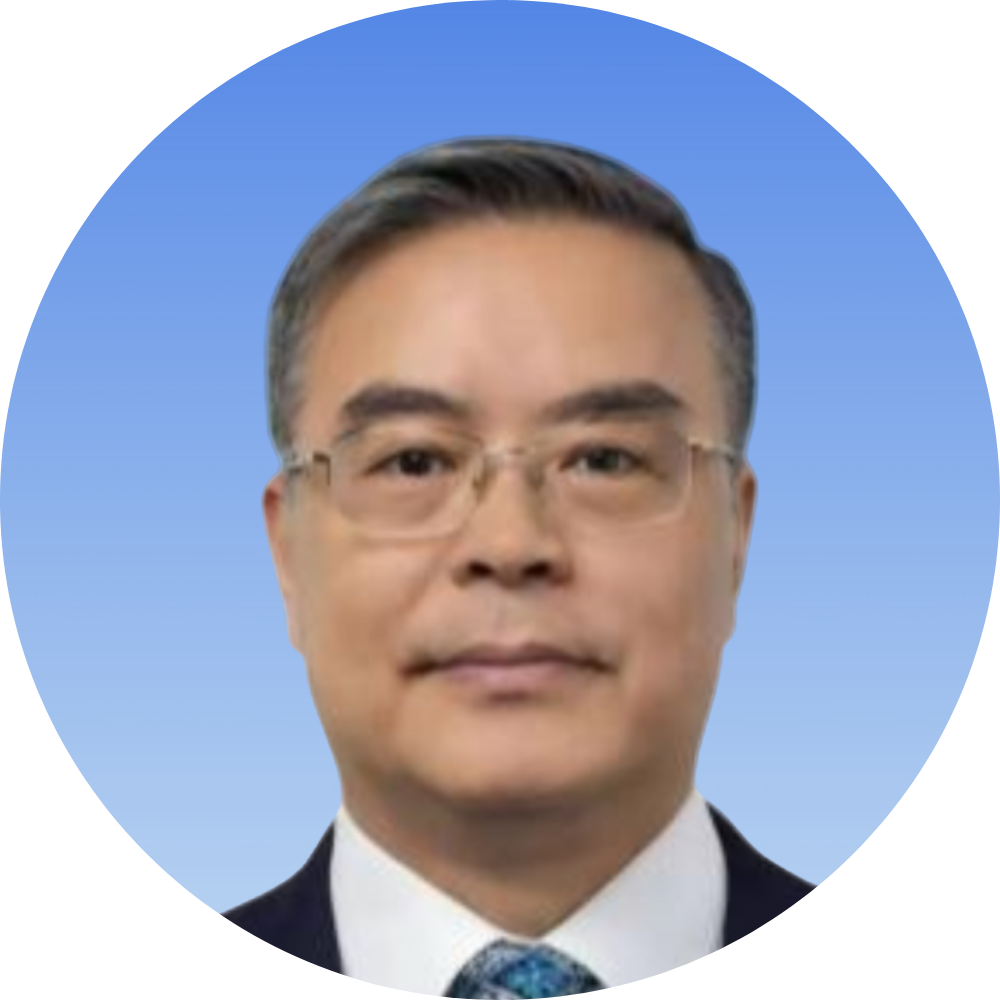
Nong Zhang Tongji University, China |
Wei Han Tongji University, China |
Minyi Zheng
Hefei University of Technology, China |
|
| Session Information: | |||
| With the continued electrification and increasing intelligence of vehicles, together with the deeper integration of chassis subsystems, suspension systems are evolving from passive vibration-isolation devices into intelligent systems capable of intelligent sensing, controllable actuation, adaptive decision-making, and coordinated control. This special session focuses on control theory and key enabling technologies for intelligent suspension systems, encompassing dynamic modeling, intelligent sensing and state estimation, novel controllable actuators, robust control, optimal control, predictive control, adaptive control, and learning-based control, as well as suspension-centered coordination with steering, braking, and traction systems. Contributions addressing validation through numerical simulation, software-in-the-loop testing, hardware-in-the-loop testing, test-rig experiments, and full-vehicle testing are also welcome. This special session aims to promote the close integration of modeling, control algorithms, actuation, and validation, thereby advancing academic exchange and technological development in intelligent suspension control and vehicle dynamics. |
|||
| Below is an incomplete list of potential topics to be covered in the Track | |||
|
|||
| Keywords: | |||
|
|||
| Special Session XVIII - Vehicle Aerodynamics, Thermal Management and Fire Safety | |||
| Chair: | Co-Chairs: | ||
 |
 |
 |
 |
|
Tao Chen Guizhou University, China |
Guang Chen Central South University, China |
Qingguo Peng
Guizhou University, China |
Rongwei Bu
Changsha University of Science & Technology, China |
| Session Information: | |||
| With the rapid development of vehicle electrification, high-speed transportation, and intelligent mobility, vehicle aerodynamics, thermal management, and fire safety have become increasingly important for improving energy efficiency, operational reliability, and overall safety. The complex interactions among aerodynamic flow, heat transfer, energy systems, and fire evolution introduce significant challenges for the design and operation of next-generation vehicles, particularly in confined environments such as tunnels and underground transportation systems. This special session aims to provide an international platform for researchers, engineers, and industry experts to exchange the latest advances in vehicle aerodynamics, thermal management, and fire safety. The session focuses on fundamental mechanisms, advanced experimental techniques, numerical simulation methods, multi-physics coupling analysis, and engineering applications related to road vehicles, rail vehicles, and tunnel transportation systems. Furthermore, emerging intelligent technologies, including artificial intelligence and machine learning, are encouraged for vehicle aerodynamic analysis, tunnel flow prediction, thermal safety assessment, performance optimization, and intelligent control. This session welcomes both theoretical developments and practical applications that contribute to the development of efficient, reliable, and safe vehicle technologies. |
|||
| Below is an incomplete list of potential topics to be covered in the Track | |||
|
|||
| Keywords: | |||
|
|||